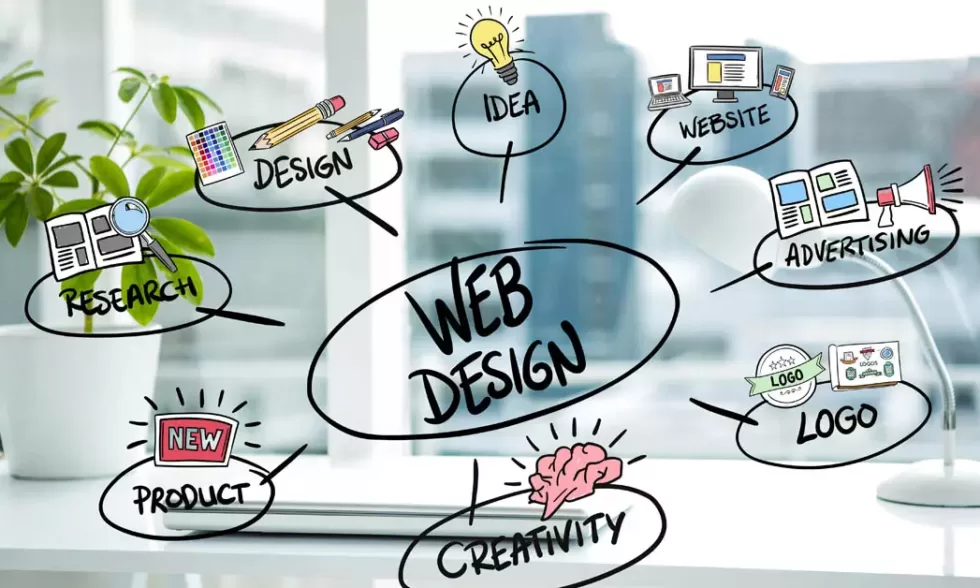
In today’s digital age, a well-designed website is essential for business success. Whether you own a small business or a large corporation, your website serves as the face of your brand. But what makes a website truly successful? Let’s explore the key factors that contribute to an effective and engaging web design.
Why Website Design Matters
A successful website design does more than look good. It creates a seamless experience for users, encourages engagement, and boosts conversions. Additionally, search engines like Google prioritize well-structured websites, making design an important factor in SEO rankings.
Key Elements of a Successful Website Design
1. User-Friendly Navigation
A website should be easy to navigate. If visitors struggle to find information, they will leave quickly. Use a simple menu structure, clear categories, and intuitive design elements to help users move through your site effortlessly.
2. Mobile Responsiveness
With most users accessing websites on mobile devices, a responsive design is crucial. Your website should adjust smoothly across different screen sizes, ensuring an optimal experience for both desktop and mobile visitors.
3. Fast Loading Speed
A slow website frustrates users and increases bounce rates. Optimize images, use a reliable hosting provider, and minimize unnecessary scripts to improve page speed. Google also considers loading speed when ranking websites.
4. High-Quality Content
A successful website design goes hand in hand with valuable content. Clear, engaging, and informative content keeps users interested and improves search engine rankings. Use compelling headlines, bullet points, and images to make the content easily digestible.
5. Strong Call-to-Action (CTA)
Encourage users to take action with well-placed CTAs. Whether it’s signing up for a newsletter, making a purchase, or booking a consultation, CTAs should be clear, concise, and persuasive.
6. SEO Optimization
SEO is critical for online visibility. Use relevant keywords, optimize meta descriptions, and ensure your website has a clean URL structure. Additionally, proper use of headings (H1, H2, H3) and internal linking can enhance your site’s ranking.
7. Visual Appeal and Branding
Aesthetics matter. Use a consistent color scheme, professional images, and a layout that aligns with your brand identity. A visually appealing website increases credibility and keeps visitors engaged longer.
8. Secure and Reliable Hosting
Website security is a top priority. Choose a hosting provider that offers SSL certification, regular backups, and protection against cyber threats. A secure website builds trust and protects user data.
9. Accessibility for All Users
Make your website inclusive by ensuring it meets accessibility standards. Use readable fonts, alt text for images, and keyboard-friendly navigation to accommodate all users, including those with disabilities.
10. Regular Updates and Maintenance
A website is never truly finished. Regular updates keep your site relevant and secure. Monitor analytics, fix broken links, and update content to maintain a fresh and engaging user experience.
How to Measure Website Success
To determine if your website design is effective, track key performance metrics such as:
Bounce Rate – The percentage of visitors who leave after viewing only one page.
Conversion Rate – The percentage of visitors who take a desired action.
Page Load Time – The time it takes for your website to load completely.
User Engagement – How long visitors stay on your site and interact with content.
Final Thoughts
A successful website design is not just about aesthetics; it’s about functionality, usability, and performance. By focusing on user experience, mobile responsiveness, SEO optimization, and regular maintenance, you can create a website that attracts visitors and converts them into loyal customers.
If you want to improve your website design, start by evaluating your current site’s strengths and weaknesses. Implement the tips above, and you’ll be on your way to building a high-performing website that meets both user expectations and business goals.